- calendar_today May 18, 2026
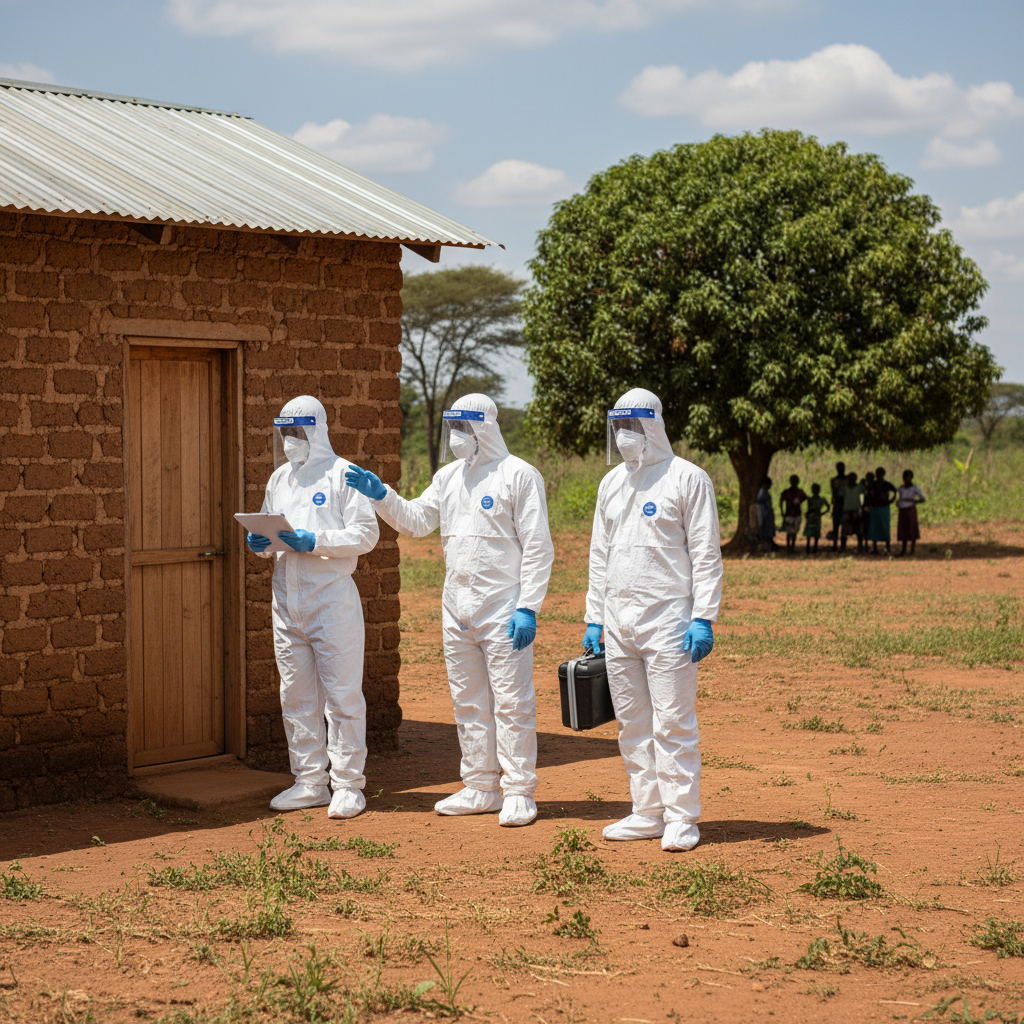
The latest ebola outbreak in the Democratic Republic of Congo (DRC) and Uganda has drawn close attention in the Southwest USA, as the Centers for Disease Control and Prevention (CDC) confirm that a small number of U.S. citizens have been directly affected. With growing global concern, health authorities in the Southwest USA are reinforcing preparedness while taking cues from federal agencies regarding the recent developments.
Scope of the Current Ebola Outbreak
According to recent CDC updates, the ebola outbreak is centered in the DRC, now tallying ten confirmed ebola cases and 336 additional suspected cases. The situation has also reached Uganda, where two cases have been confirmed, resulting in one fatality. Authorities report that 88 suspected deaths have occurred, elevating local and international vigilance amid swift responses from global health organizations.
CDC Response and Protective Measures
The cdc ebola response involves cooperative efforts with U.S. government partners to ensure the safety of Americans present in affected areas. While specific data regarding the number and condition of these American citizens remain confidential, the CDC maintains ongoing coordination with health leaders in both the DRC and Uganda. Protection of U.S. citizens abroad and limitation of potential spread are central priorities, with the agency reiterating that the risk of transmission for the American public—including communities in the Southwest USA—remains low.
Understanding the Bundibugyo Virus Strain
This ebola outbreak 2026 is driven by the bundibugyo virus, a less common strain of the Ebola virus family. This marks only the second time this particular strain has initiated an outbreak in the DRC. According to the World Health Organization (WHO), the bundibugyo virus differs from other known strains and, as of now, there are no approved ebola vaccines or targeted treatments available for those exposed.
How Ebola is Transmitted
The CDC and WHO clarify that ebola transmission occurs through direct contact with bodily fluids from infected persons, not through casual interactions or airborne exposure. This fact is critical in maintaining public trust and in guiding local preparedness actions in U.S. communities. Understanding modes of transmission can also help residents and institutions in the Southwest USA distinguish between credible risks and misinformation often circulating during infectious disease events.
Symptoms and Clinical Course
Healthcare professionals in the U.S. remain vigilant for ebola symptoms, which commonly include sudden fever, intense weakness, muscle pain, headache, and sore throat. Progressing symptoms may involve vomiting, diarrhea, rash, and in severe cases, internal and external bleeding. Quick recognition and isolation of suspected cases are essential strategies in preventing additional ebola cases and fatalities.
Historical Context and Public Health Response
This marks the 18th significant ebola outbreak in the ebola drc region since 1976. The CDC, in cooperation with international partners, has a long history of deploying resources and personnel to manage such crises. Prior large-scale outbreaks have led the World Health Organization to designate Ebola as a ebola public health emergency of international concern, prompting elevated responses reminiscent of those seen with recent threats like COVID-19 and mpox.
Lessons for Local Preparedness
Local hospitals, public health departments, and universities throughout the Southwest USA continue to monitor guidance from federal agencies. These institutions are prepared to share essential resources should repatriated Americans require monitoring or treatment, emulating best practices developed during prior ebola outbreaks and other pandemic events. Although there are currently no known ebola vaccines effective against the Bundibugyo strain, ongoing research remains a high priority for public health leaders worldwide.
Looking Ahead
For residents and regional stakeholders, reliable information from agencies like the CDC is the best defense against uncertainty during the ebola outbreak 2026. The close attention paid by both authorities and the Southwest USA community demonstrates the region’s commitment to readiness and global health cooperation. With ongoing vigilance and support for public health innovation, local entities stand ready to adapt as new information emerges.