- calendar_today August 8, 2025
2025 Housing Trends in the Southwest USA: A Market in Transformation
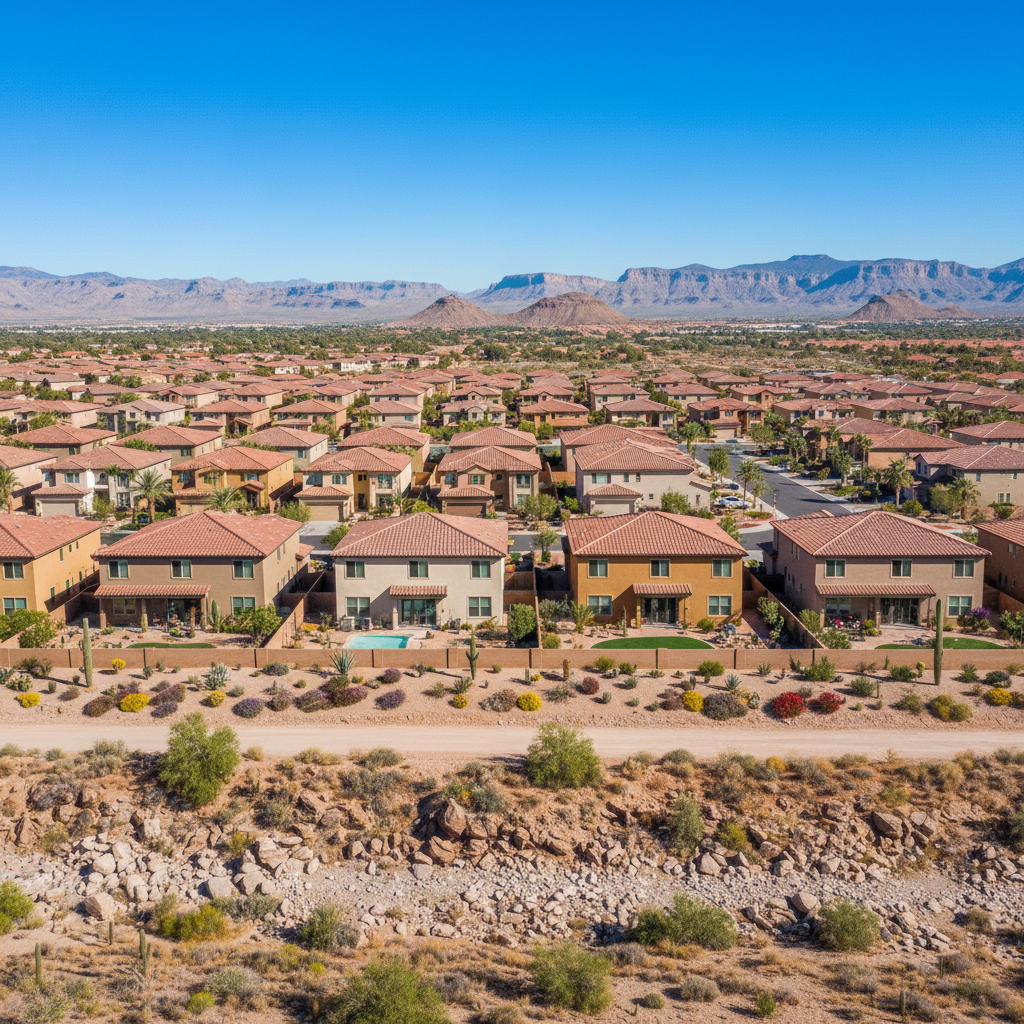
The real estate landscape of the American Southwest — including states like Arizona, New Mexico, Nevada, and parts of Texas — is undergoing a transformation in 2025. Historically known for affordability and rapid suburban development, the region is now confronting a blend of affordability constraints, demographic changes, and shifting demand patterns.
What was once a haven for cost-conscious relocators from the West Coast has become a battleground between rising home prices and wavering demand. Still, the region continues to show resilience, particularly in mid-sized cities balancing growth with livability.
Once synonymous with budget-friendly living, several parts of the Southwest have seen significant price escalations over the last three years. Phoenix, for instance, experienced double-digit percentage increases during the pandemic-fueled housing boom. Although appreciation has cooled somewhat in 2024, median home prices remain out of reach for many first-time buyers.
Las Vegas and Albuquerque have witnessed similar pressures, with construction lagging behind population growth. Wage stagnation has not kept pace with rising mortgage rates and property taxes, leading to a growing affordability crisis.
As a result, real estate developers and policy makers in the Southwest are recalibrating their strategies. Mixed-use developments and entry-level housing are receiving more attention, particularly in suburban areas where land is more available.
Migration Patterns: Slowing But Still Influential
The Southwest saw a surge of migration during and after the pandemic, particularly from high-cost states like California and New York. In 2025, while the rate of inbound migration has slowed, it still plays a significant role in shaping housing demand.
Texas cities like Austin and San Antonio continue to attract young professionals, although affordability issues are starting to mirror those of coastal metros. Meanwhile, Tucson and El Paso are experiencing more measured growth, benefiting from comparatively lower price points.
In Arizona, a shift toward smaller, secondary cities is underway. Places like Mesa and Buckeye are drawing attention from both homebuyers and developers looking to capitalize on less saturated markets.
Interest Rates and Buyer Caution
The Fed’s moves in late 2024 and early 2025 to stabilize inflation have brought only modest relief to mortgage rates. In the Southwest, where many buyers rely on financing, this has led to a more cautious buyer profile.
According to local realtors, the time properties spend on the market has increased in cities like Albuquerque and Reno. Investors have also pulled back, particularly in tourist-heavy zones that previously thrived on short-term rental profits.
Still, there is underlying strength in many markets. Young families continue to seek suburban homes with more space, and Baby Boomers are increasingly targeting 55+ communities in New Mexico and Arizona for retirement, supporting demand at the higher end of the market.
Inventory Crunch and Construction Headwinds
One of the region’s most persistent issues is the shortage of new inventory. Builders in Arizona and Nevada cite land costs, labor shortages, and zoning delays as barriers to scaling up construction. While new starts have increased modestly in Texas, they remain uneven across the broader Southwest.
The imbalance between supply and demand is contributing to price stickiness in many metros. Even as interest rate hikes cool buyer enthusiasm, prices haven’t dropped significantly due to constrained inventory levels.
Cities like Las Cruces and Flagstaff are exploring zoning reforms to spur new development, but these efforts will take time to materialize in the market.
Urban-Rural Divide Widening
Another notable trend is the increasing disparity between urban centers and surrounding rural or exurban areas. Major metros like Phoenix and Las Vegas remain expensive, while smaller towns just beyond the city limits are emerging as viable alternatives for homebuyers and investors.
This trend is also shaping infrastructure investment. Municipalities in exurban zones are under pressure to expand services, schools, and utilities to meet the demands of new residents migrating out of urban cores.
Rental Market Stabilization
After rapid rent hikes between 2021 and 2023, the rental markets in many Southwest cities are beginning to stabilize. Austin and Phoenix have seen vacancy rates tick up slightly, allowing renters more negotiating power. This moderation is a relief for tenants but presents challenges for landlords who expanded aggressively during the boom years.
In contrast, cities like Las Vegas are still experiencing upward rental momentum due to limited apartment construction in recent years.
A Year of Realignment
As 2025 progresses, the Southwest housing market is navigating a transitional phase. It’s a year marked not by explosive growth or sudden decline, but by a gradual rebalancing of supply, demand, and affordability. While challenges remain, especially around inventory and affordability, opportunities exist for buyers and developers who can adapt to the shifting terrain.
Markets that manage to balance accessibility with infrastructure and lifestyle amenities are best positioned for long-term stability.