- calendar_today August 22, 2025
Lululemon, a sportswear industry leader worldwide, is experiencing some sharp demand decline for its high-end products. The decline is being seen throughout the Southwest USA, and consumers in Arizona, New Mexico, and Nevada are rethinking their consumption. With a price increase and strong competition, people are questioning the value of Lululemon’s items, and this results in a change in consumer behavior in these states.
Lululemon has long been popular for its upscale activewear, especially with customers who want athleisure and exercise clothing that is both fashionable and comfortable. But with the company experiencing declining sales and marketplace stress, the customers in the Southwest are increasingly becoming wary and prudent in purchasing products. Let’s see how such issues are influencing customers in the Southwest USA.
Why Lululemon’s Struggles Matter to Southwest USA Consumers
There are several reasons why Lululemon is struggling right now, and these are already affecting customers in Arizona, New Mexico, and Nevada:
- Price Hikes and Increased Expenses
Increased cost of production and operations has been among the primary reasons for Lululemon’s struggles. Price hikes, together with foreign goods import tariffs by the company, have made its products unaffordable to the majority of consumers in the Southwest. The brand is no longer affordable for certain consumers, particularly those in price-sensitive markets.
- Greater Competition
Over the last three years, competition in sportswear has become fiercer. Old and new entrants like Athleta, Fabletics, and even fast fashion retailers like Target are providing comparable style and quality at a lower price point. Greater competition has meant that consumers in the Southwest are being very careful with their spend, only choosing brands providing comparable performance and appearance but without paying a premium.
- Shifting Consumer Patterns
The pandemic saw athleisure clothing demand skyrocket, with more and more customers working at home and embracing a more relaxed, casual lifestyle. But now that offices have reopened and consumers are returning to their brick-and-mortar habits, so too are their fashion calendars. Consumers in the Southwest are increasingly seeking interchangeable, durable clothing that they can wear in different environments, not only the gym. This shift in demand has made it to the sales of Lululemon, and most of its consumers are less willing to pay for specialized athletic wear.
How Southwest USA Consumers Are Reshaping Their Purchasing Habits
As a reaction against Lululemon’s downturn, Southwest consumers are changing their shopping behavior as follows:
- Buying More Affordably Priced Alternatives
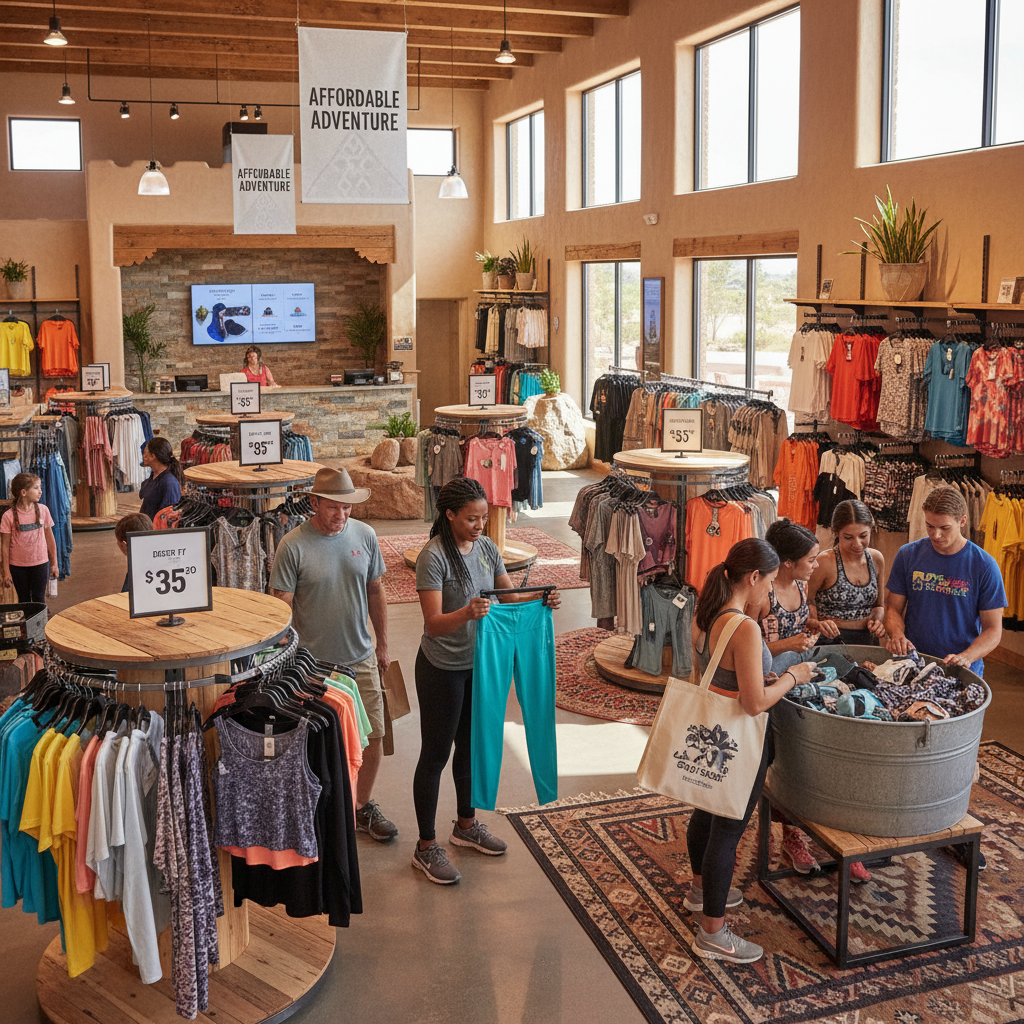
With Lululemon pricing going up, the majority of customers throughout the Southwest are buying less affordably priced alternatives. Old Navy, Fabletics, and Athleta all carry comparable styles and quality at lower prices. For customers seeking quality exercise apparel minus the hefty price tag, these retailers are even more appealing options.
- Focused on Value Rather Than Brand Name
Some consumers in the Southwest are less brand-conscious and more concerned about value. They want functional, quality clothing at a decent price, not a premium price for a brand name. Thus, the stores providing a combination of low-priced activewear, both household and emerging brands, are becoming popular.
- Shopping for Bargains and Sales.
Because prices are higher and there are economic downturns, Southwest consumers are getting more opportunistic when it comes to purchasing. They wait for bargains, sales, or promotions before they buy. Discount stores and online stores that sell athleisure at a discounted rate have increased in popularity since consumers are more than willing to wait for a discounted rate instead of full price.
The Impact on Retailers in the Southwest United States
Lululemon problems are hitting those Arizona, New Mexico, and Nevada retailers too, who are facing a change in consumer demand:
Lululemon stores are modifying their strategies as per the shift in demands:
- Product Line Diversification
In response to slowing demand for Lululemon merchandise, Southwest retailers are offering more activewear from other brands. Through product line diversification to offer lower-priced and less expensive products, these retailers are better equipping themselves to serve price-conscious consumers who are less brand-loyal.
- Powering E-Commerce Sales
As consumers grow more adept at making purchases online, several retailers throughout the Southwest are focusing more on maximizing their e-commerce websites. Buying online is more convenient and usually offers better prices, so it’s best practice for retailers to power sales. Several retail stores are even crafting special discount programs online in order to power sales.
- Grasping Multi-Purpose and Sustainable Clothing
With consumers in the Southwest reassessing their expenditure, consumers are numerous in pursuit of multipurpose clothing. Retailers are meeting consumers halfway by stocking multi-purpose exercise clothing that is both functional in working out and for casual use. This is complemented by the increasing popularity of sustainable fashion, whereby the majority of Southwest consumers are seeking out those businesses that support the utilization of environmentally friendly materials and socially compliant processes.
The Future of Retail in the Southwest USA
The destiny of Lululemon in the Southwest USA is not certain as consumer priorities change. Nevertheless, the changing tide opens up a window for other companies to intervene and bridge the gap. Companies that can provide a combination of affordability, adaptability, and sustainability will succeed as the landscape shifts. Companies that are e-commerce oriented and provide promotions or discounts will also be appealing to price-sensitive consumers.
Conclusion
Lululemon’s poor demand in the Southwest USA is also influencing its customers in Arizona, New Mexico, and Nevada to reconsider purchasing. With higher prices, greater competition, and changing tastes, consumers are switching to lower-priced alternatives and convenience over loyalty. Retailers in the region are profiting by offering variety in their merchandise mix, boosting online transactions, and focusing on convenience and sustainable clothing. As consumer preferences continue to change, Lululemon and companies like it will have to accommodate their plans to stay in the fray in an ever-growing competitive marketplace.