- calendar_today August 13, 2025
Motor Vehicle Industry Awaits Domino Effects as Global Prices Rise
Maruti Suzuki, the largest Indian auto manufacturer, reported today that it increased prices on all its models by 4%, attributing production cost pressures and supply chain disruption. Although the Maruti Suzuki vehicles have not yet entered the Southwest USA market, this price hike is part of an international trend that could find its way to auto consumers and car dealerships around the region. In addition to already influencing U.S. auto market demand through demand-pull inflation and shortages, consumers in Arizona, New Mexico, Texas, and Nevada are observing how this impact influences local automobile prices.
What is fueling the Price Rise?
Maruti Suzuki attributes its price rise to the rising raw material costs such as steel, aluminum, and rubber and continuous supply chain disruptions pushing transportation costs higher. Other international car manufacturers are also being hit by similar cost pressures, forcing them to raise prices or reduce production.
Consumers in the Southwest perceive it as a potential change in car affordability, particularly with global manufacturers moving to address higher costs.
Possible Impacts on the Southwest USA Auto Market
While Maruti Suzuki’s price adjustment does not directly affect U.S. buyers, the underlying reasons for the increase are relevant to the American auto industry. Here’s how it could impact the Southwest:
Potential Price Increases for Other Brands
If one big automaker hikes prices, it will more likely than not spill over into rivals. If Toyota, Honda, Ford, and Chevrolet are all facing the same cost constraint, they too will increase prices, so new vehicles are going to cost consumers more in the Southwest.
Used Car Market Tightening
If car prices continue to rise, more customers will be willing to switch to the second-hand car market. The demand may result in used cars becoming costly, and low-priced alternatives become out of reach.
Impact on Dealership Sales and Inventory
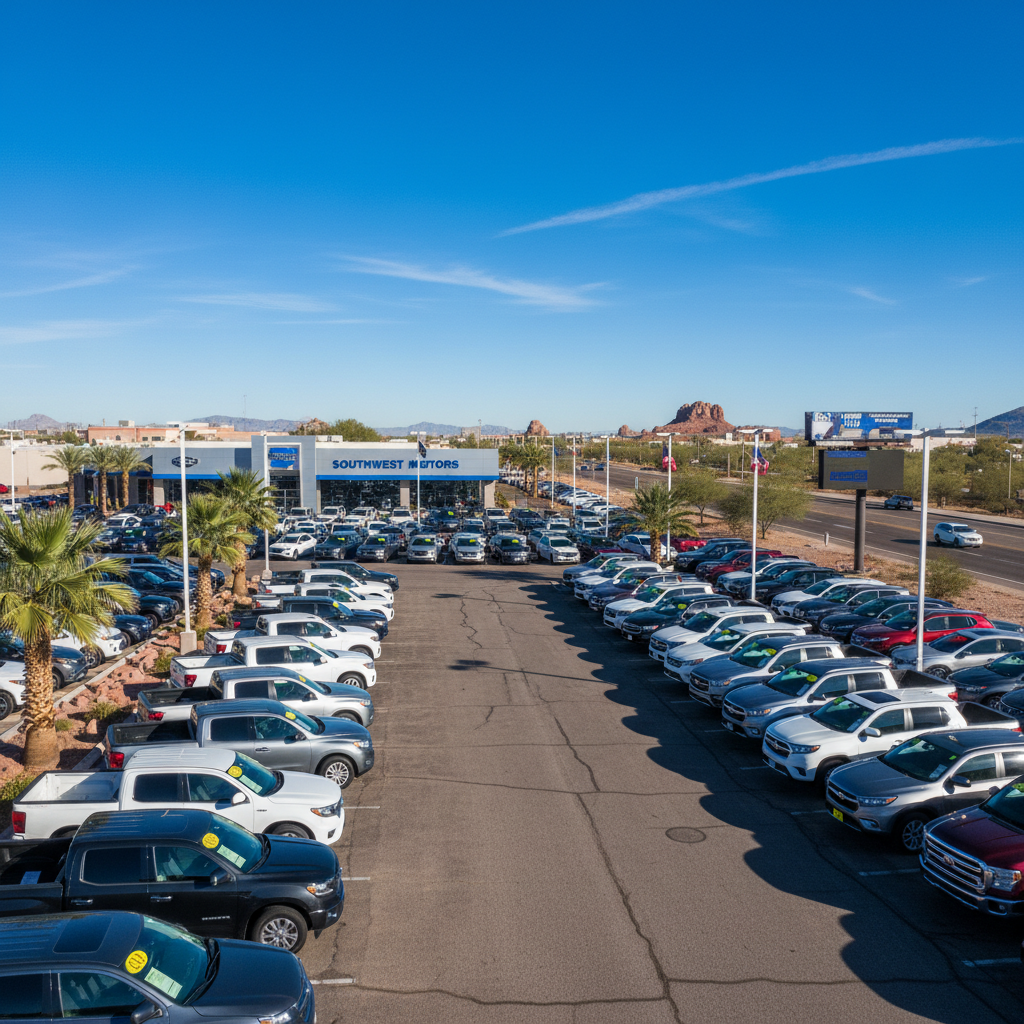
Southwest car dealerships will be prone to experiencing changes in consumer behavior as consumers balance out their options. Others will rush to purchase cars in anticipation that prices rise even higher, while others will wait and purchase in the hope that the price will stabilize. Dealers are also prone to supply shortages when makers reduce production to save on costs.
Economic Conditions and Affordability
The economy of Southwest USA is heterogeneous, with varied parts more affected by inflation and economic changes than others. Higher car prices could disproportionately hit low-income consumers, and it would become even more difficult for some of its residents to afford new cars.
How Dealerships and Southwest Consumers Can Prepare
To overcome these potential changes, consumers of cars and Southwest dealerships can prepare by adopting proactive steps:
Shoppers Must Act Soon: Potential car shoppers who need to buy a new vehicle ought to act quickly rather than delaying as future increases in price are indefinite. Exchanging visits for dealer specials and loan rates also may help for better purchasing.
Search Other Vehicle Options: Customers who need value may do well in low-mileage or certified pre-owned cars, especially if new vehicle prices continue increasing.
Dealerships Must Diversify Inventory: Southwest automobile dealerships must get ready by offering a mix of old and new vehicles to satisfy shifting consumer preferences. Dealerships also will help monitor supply chain patterns so inventory levels can be matched.
Monitor Financing Trends: As vehicle costs fluctuate, interest rates and loan terms can make a big difference in affordability. Buyers should compare financing offers, while dealerships should highlight competitive loan options to attract customers.
Conclusion
Maruti Suzuki’s 4% price increase is a reflection of broader challenges facing the global auto industry. Though the short-term impact on the Southwest USA is not instant, the trend generates legitimate concerns about the future of automobile affordability and pricing in the area. Sellers and buyers must stay informed and make intelligent choices to adjust to a changing automobile marketplace. Looking ahead, customers and companies can mitigate the impacts of rising costs and keep searching for value in a changing automobile market.