- calendar_today August 21, 2025
The United States semiconductor technology industry is on the warpath as Wolfspeed, a leader in chipmakers in the market, takes a record stock value plunge. Wolfspeed’s shares reached their 27-year low, ringing alarm bells in the entire semiconductor industry. The shift is having spin-offs well beyond the company’s home city of Durham, North Carolina, as regions like the Southwest USA, with its booming tech and clean energy sectors, seek expected consequences.
The Wolfspeed Crisis: A Rash Decline
Wolfspeed, the leading semiconductor firm in the production of wide-bandgap semiconductors, is facing extremely difficult times. The semiconductors are key components of electric vehicles (EVs), renewable energy systems, and other clean technologies. Despite having these strategic market niches, the company has experienced production disruptions, supply chain shutdowns, and heightened competition from other semiconductor firms, driving its stock price down exponentially.
This came as a shock to the tech sector in the Southwest USA region, one of the clean energy centers and largest hotspots for semiconductor manufacturing. The ripple effects of the battle now extend to local businesses, entrepreneurs, and investors that depend on the semiconductor value chain for business expansion.
Southwest USA: An Emerging Tech Power with a Fractured Chain
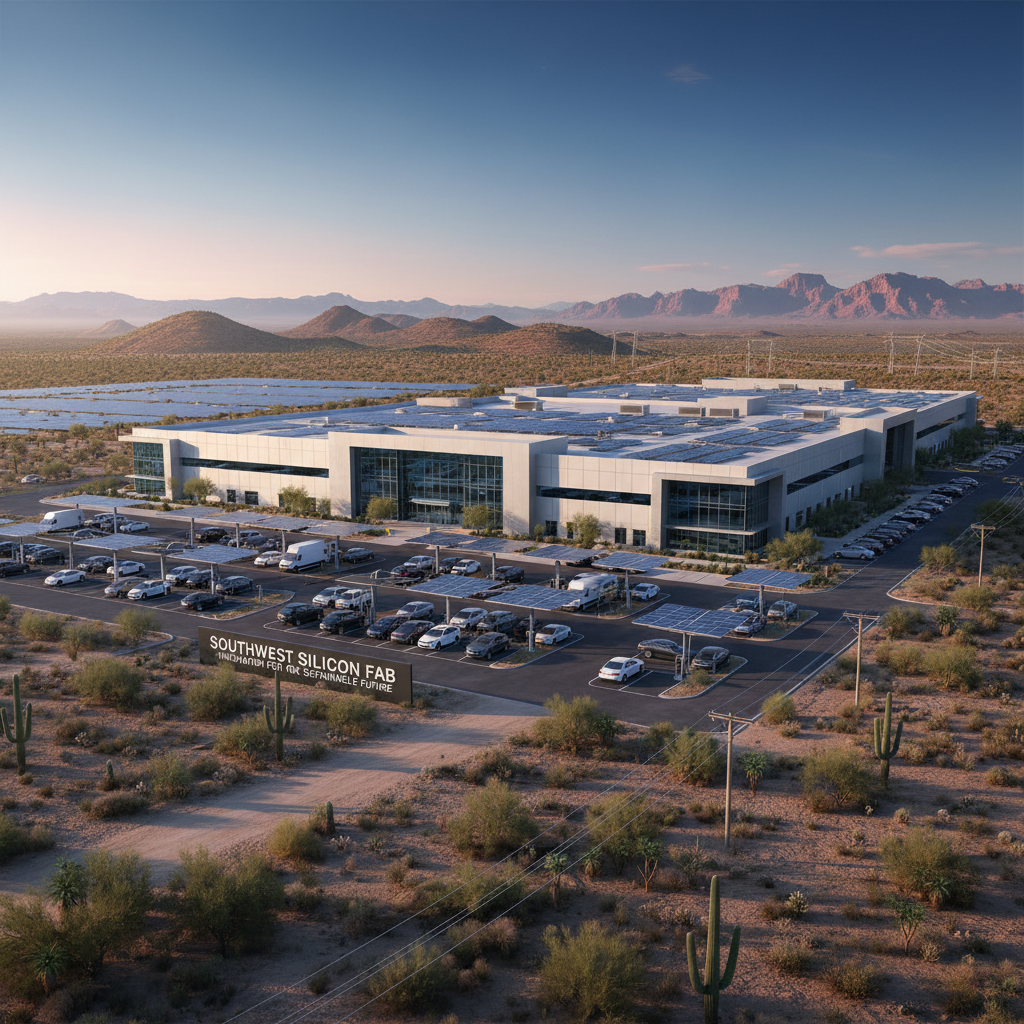
The Southwestern United States, including states like Arizona, Nevada, and New Mexico, has witnessed massive growth of the high technology and clean energy industries over the last few years. The metropolitan cities of Phoenix, Tucson, and Albuquerque have become the center of activity in the manufacturing of semiconductors, with major corporations opening manufacturing facilities to address the rising demand for semiconductors applied to electric cars, solar panels, and other green technologies.
Wolfspeed share loss can destabilize the semiconductor market of the Southwestern region. Since Wolfspeed is one of the predominant manufacturers of clean-tech semiconductors, disruption in Wolfspeed’s ability to provide these devices can lead to delays and added cost for Southwest companies involved in renewable energy, electric vehicles, and other technology-intensive sectors.
Investor Concerns Throughout the Southwest
Southwest investors who have made large bets on clean energy and tech stocks are bracing for the worst. Wolfspeed’s market volatility puts a shadow on the stability of the semiconductor market and clean energy technologies that depend upon these vital components.
Possible Disruptions to Clean Tech and EV Projects
The Southwestern United States has several clean tech and electric vehicle manufacturers that are heavily reliant on high-performance semiconductors in their products. These entities will have to depend on seamless production of chips for electric vehicle batteries, solar power systems, and energy storage solutions. Wolfspeed’s problems would lead to a delay in the delivery of these components, which in turn may result in slowing down production and increased costs.
Auto makers producing electric vehicles, like Arizona and Nevada, are at the greatest risk. The sale of EVs is ramping up extremely fast, and failures in the semiconductor supply chain will put the delivery speed of these clean vehicles to customers in the backseat. This would be a loss for the Southwest, which has marked clean tech as one of its target industries for growth.
The Need for Diversification in Southwest Tech
Since the regional semiconductor industry is now a part of its technology landscape, the Wolfspeed debacle is a stubborn reminder to diversify. The Southwest USA’s reliance on finite semiconductor providers for the nascent clean tech and EV industries could have laid it open to market disruptions.
As the technology industry expands and develops with growing demand for electric vehicles and alternative energy sources, Southwest companies will be compelled to seek diversification of their supply chain. This could be in the way of investing in new businesses, turning to alternative semiconductor manufacturers, or even having manufacturing plants locally in order to diversify reliance on external suppliers such as Wolfspeed.
Looking Ahead: Challenges and Opportunities
The drop in Wolfspeed’s stock is difficult but also holds opportunities for the Southwest USA. While the short-term effect on the semiconductor supply chain and investor confidence is concerning, the region’s growing clean tech industry remains an investment draw.
The Southwest’s focus on clean technologies, electric cars, and semiconductor manufacturing will only expand in the face of Wolfspeed’s collapse. As clean energy and electric cars are needed more than ever, the region will continue to attract new companies and investments, opening up space for new opportunities in expansion.
Conclusion: Adjusting to Market Changes
Wolfspeed’s downfall has sown doubt in the semiconductor industry, but it also highlighted the imperative to create strong, diversified tech ecosystems for the Southwest USA. The region’s clean tech and semiconductor industries must respond to the present challenges by positioning themselves to capitalize on long-term opportunities for growth and innovation. By meeting these challenges head-on and embracing diversification, the Southwest can still become a hub of clean tech and semiconductor innovation.