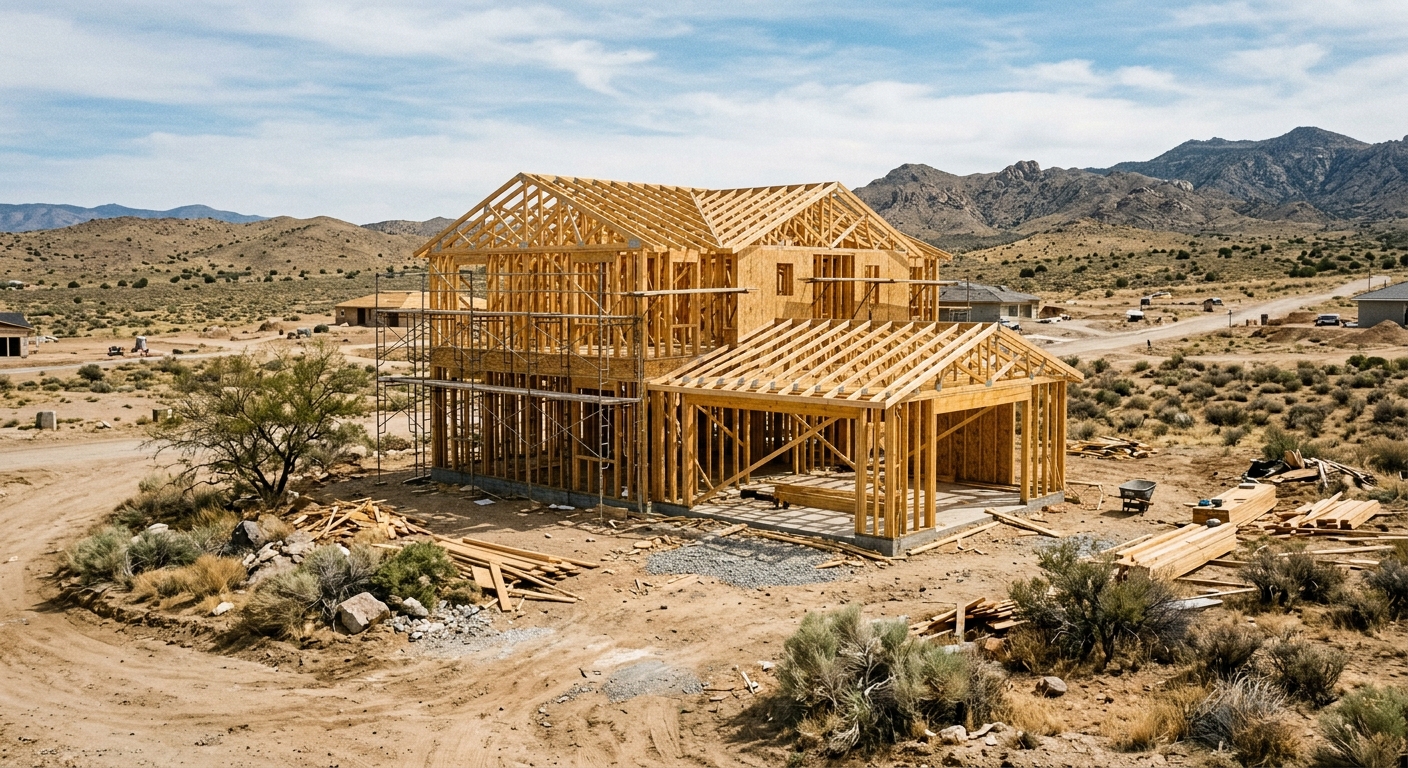
AI-generated illustration; not a photograph of the reported event.
- calendar_today July 19, 2026
The Southwest USA is at the center of a national discussion as the 21st Century ROAD to Housing Act aims to tackle persistent challenges surrounding housing affordability. With housing prices rising over 40 percent in the past six years, and wages failing to keep pace, many families in the region continue to feel squeezed out of homeownership. The new bipartisan law promises comprehensive strategies to reshape the landscape for affordable housing, while specifically addressing the unique needs and obstacles facing local communities.
Legislation Targets the Housing Crisis
The 21st Century ROAD to Housing Act represents the latest effort on the federal level to mitigate the growing housing crisis impacting the Southwest USA. Key to its approach is limiting the influence of corporate homebuyers, particularly institutional investors who purchase large quantities of single-family homes. By placing restrictions on these entities, the law intends to open up more opportunities for families and individuals to enter the home market. This move answers regional demands to protect local homebuyers from being priced out by large-scale investors and speculative buying.
Increasing Housing Supply and Streamlining Construction
One of the act’s central components is its commitment to increasing overall housing supply. To address shortages, it offers federal grants and reauthorizes a range of housing assistance programs, channeling needed resources to states like Nevada and other areas of the Southwest USA. The legislation further seeks to remove regulatory and bureaucratic hurdles that have traditionally hampered housing construction, from zoning laws to complex permit processes. Provisions to promote innovative building techniques, including supporting manufactured homes and modular construction, reflect a broader effort to drive down costs and accelerate project timelines.
Focus on Community and Vulnerable Groups
The law features a suite of measures aimed at broadening affordable housing access. Notably, it ensures benefits for rural residents and disabled veterans, demographics often overlooked in the rush of market-driven development. Community-based organizations in the Southwest USA are expected to play a crucial role in deploying these resources, advocating for fair development, and ensuring that housing assistance reaches those most in need. The act’s engagement of stakeholders signals a holistic approach, emphasizing both expansion of housing supply and fostering inclusive growth.
Limiting Corporate Influence on Homeownership
The presence of corporate homebuyers has been a controversial force in the real estate markets of the region. Under this housing legislation, new homebuyers restrictions aim to cap the portfolio sizes of large investors, ensuring that first-time buyers and local families stand a better chance in securing homes. By narrowing speculative investment, lawmakers hope to slow the upward spiral of housing prices and contribute to long-term sustainability in the home ownership sector.
Challenges and Cautious Optimism
While the Act has generated optimism, housing experts in the Southwest USA caution that the pathway toward broad-based affordability is complex. Past efforts have encountered substantial barriers, including ongoing land scarcity, persistent regulatory bottlenecks, and rising construction costs. Critics highlight that, without robust enforcement and additional policies—particularly around rental assistance and expedited housing construction—the Act’s impact may be gradual. Many argue that its success will rely heavily on state-level collaboration, vigilant oversight, and a steady flow of funding dedicated to affordable housing initiatives.
Looking Ahead for Regional Homebuyers
The 21st Century ROAD to Housing Act marks a significant milestone in confronting the housing crisis at both the national and regional levels. By integrating homebuyers restrictions, boosting supply through innovative solutions like manufactured homes, and prioritizing those in greatest need, the law proposes a fresh, multi-pronged approach. For the Southwest USA, communities now have renewed hope that housing affordability may once again become a reality for working families, provided the challenges of supply, regulation, and corporate influence are met with continued legislative focus and community engagement.