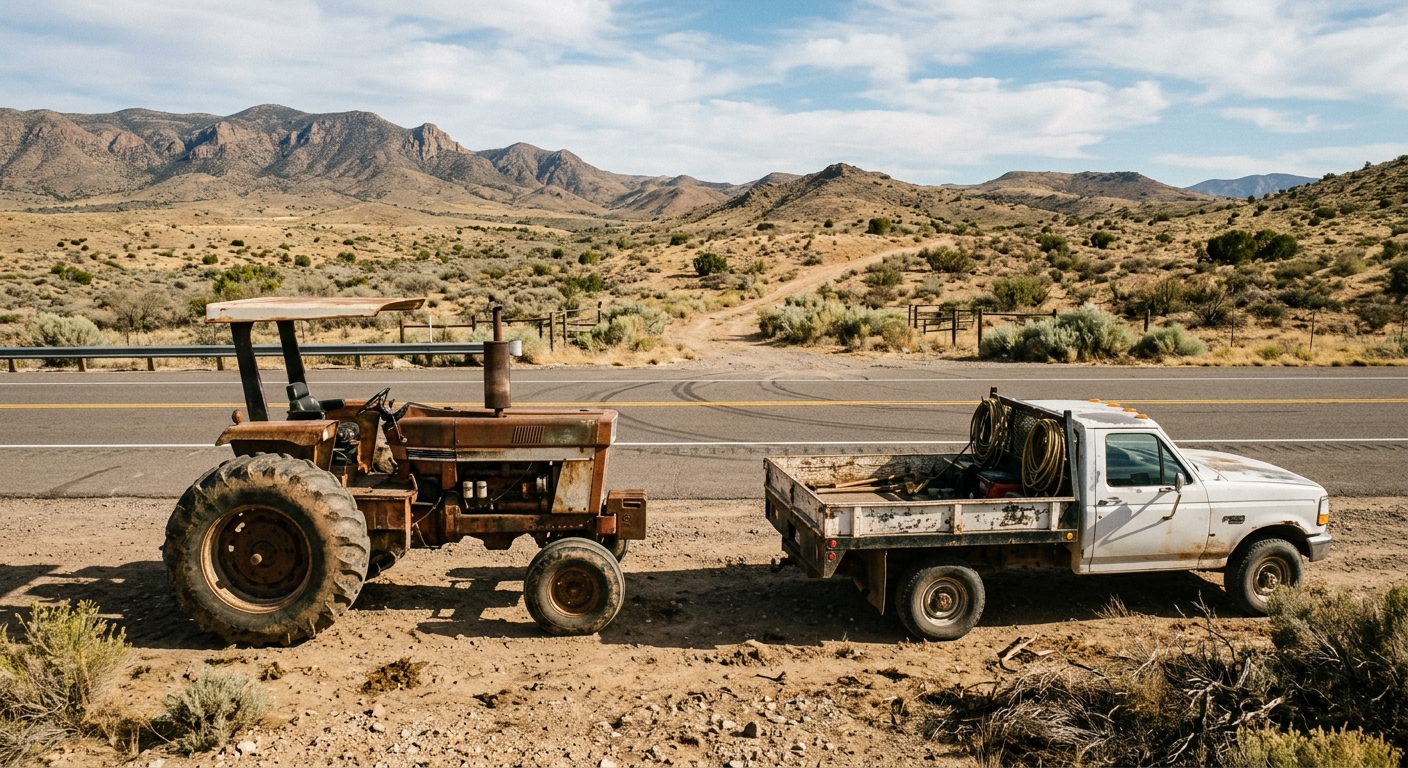
AI-generated illustration; not a photograph of the reported event.
- calendar_today October 14, 2026
Governor Hobbs Temporarily Expands Red Dye Diesel Use
Arizona Governor Katie Hobbs announced a temporary measure to allow farmers and ranchers to use less expensive "red dye diesel" for vehicles that leave the farm, expanding its use beyond the traditional constraints of farm-only applications. This executive order, issued late Tuesday, is aimed at offering fuel cost relief to agricultural producers amidst rising diesel prices.
Relief in Response to Soaring Diesel Fuel Prices
Diesel fuel prices have risen dramatically, with current averages exceeding $6 per gallon, compared to roughly $3.64 per gallon a year ago, according to AAA. The sharp increase is putting financial pressure on producers of food and fiber, ultimately impacting consumer prices. Governor Hobbs stated, “Arizonans are feeling the squeeze at the grocery store, and we are stepping up to deliver relief.”
Details of the Executive Order
The order allows the use of red dye diesel—diesel fuel marked by red coloring to indicate exemption from certain state and federal fuel taxes—for trucks delivering agricultural products, not just off-road farm machinery and equipment. Red dye diesel typically avoids a federal tax of 24.4 cents per gallon and a state tax of 26 cents per gallon. The colored fuel is normally restricted to off-road usage, with enforcement ensuring it is not used in on-road vehicles to prevent tax evasion.
Under the new directive, the Arizona Department of Transportation (ADOT) is instructed to de-prioritize enforcement of laws prohibiting the use of tax-free diesel fuel in agricultural transport vehicles. The department is specifically directed to refrain from initiating inspections, citations, or other actions against vehicles using dyed diesel for agricultural deliveries until the end of the year.
No Repayment Required When Rules Revert
The governor’s office has clarified that farmers making use of tax-free diesel under the new measure will not be required to pay back taxes once the law reverts in 2027. Press aide Christian Slater confirmed that those entitled to the benefit in 2024 will not face retroactive billing when exemptions expire.
Additional Easing for Heavier Agricultural Trucks
The order also includes provisions for heavier truckloads in agricultural transport. Typically, state law limits truck weights to 80,000 pounds unless owners pay for a special permit. Hobbs has directed ADOT to waive permit fees for trucks weighing up to 90,800 pounds when hauling agricultural products. This is intended to increase efficiency by allowing larger deliveries per trip, further supporting farm fuel use and reducing trips despite high diesel fuel prices.
Comparison and Reactions within the Industry
The governor’s move comes shortly after a separate federal initiative by President Trump, who issued an order allowing all truckers—instead of only those hauling agricultural goods—to purchase red dye diesel through 2026. However, there is uncertainty regarding whether these changes will offer permanent financial relief. Trump’s order only defers payment of federal excise taxes, and the White House has indicated interest in exploring ways to eliminate repayment obligations, but no final resolution has been announced.
John Boelts, president of the Arizona Farm Bureau and a producer in the Yuma area, welcomed Hobbs' temporary measures as much-needed help, noting that while the relief is valuable, lasting solutions might require legislative action. Boelts also raised concerns shared by some diesel manufacturers, warning that using color dyed fuel in newer engines may void warranties, which could deter some farmers despite immediate fuel tax relief.
Future Legislative Considerations
Governor Hobbs previously considered suspending the state gasoline tax in response to surging fuel prices, but such measures did not advance during budget discussions. Industry representatives suggest that broader, more permanent fuel cost savings or diesel tax deferral may ultimately depend on state legislative action moving forward.
Source: azcapitoltimes.com.