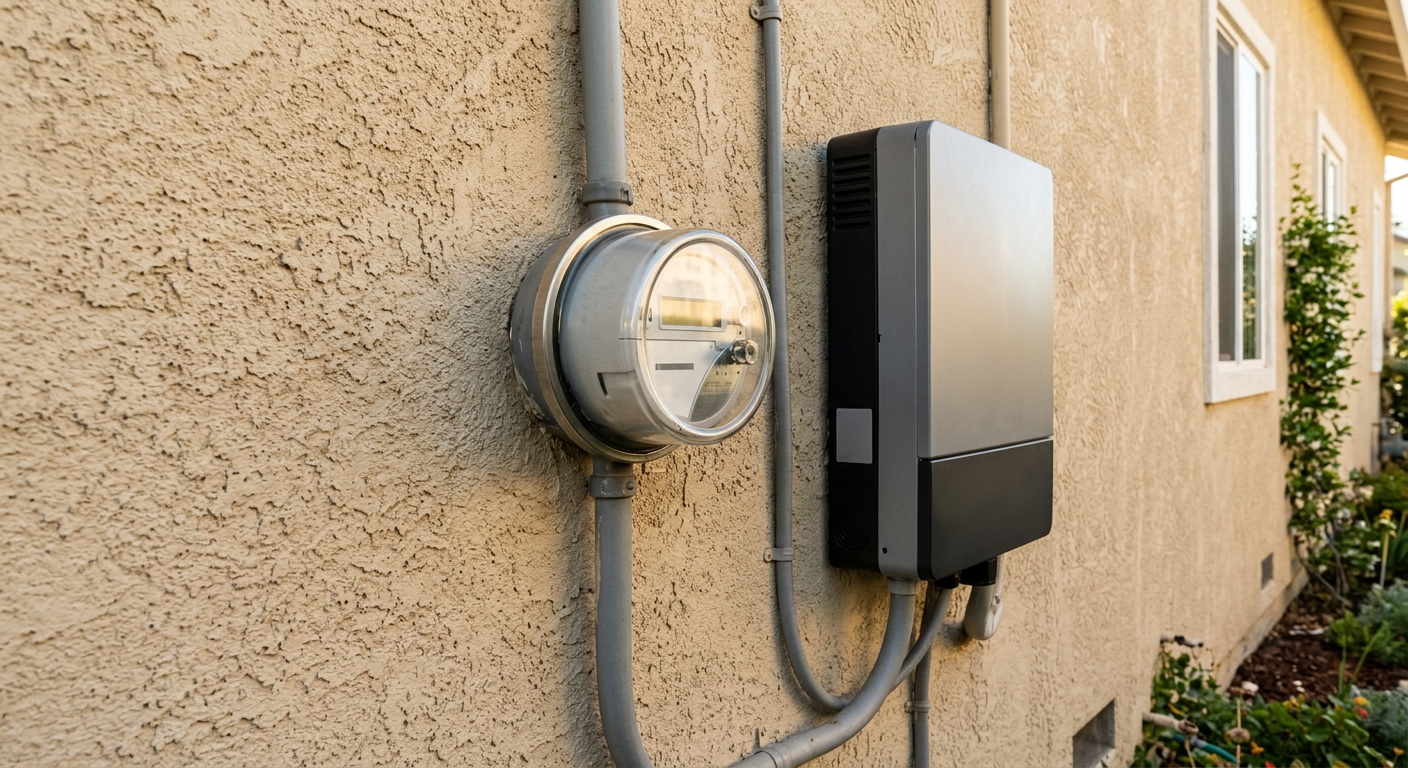
AI-generated illustration; not a photograph of the reported event.
- calendar_today October 30, 2026
Political Ads Spotlight NV Energy’s Daily Demand Charge
As political advertising ramps up across Southern Nevada, a notable campaign has emerged that is not targeting a candidate or ballot measure. Instead, advertisements promoted by a group named Nevadans for Reliable, Renewable, Affordable Energy have been highlighting NV Energy's proposed "daily demand charge." The ads, designed with a positive tone, claim that this new charge will "lower your power bill and put money back in your pocket." These commercials aired hundreds of times in September, gaining 6.4 million impressions and costing more than $93,000, according to AdImpact.
Tracing the Financial Backing of the Ad Campaign
Nevadans for Reliable, Renewable, Affordable Energy, the political action committee behind the ads, is not new to Nevada's political scene. The PAC was active in 2018, supporting utility-aligned interests during a previous campaign to uphold NV Energy’s monopoly. This year, records show that NV Energy contributed $170,000 to the PAC, which subsequently funneled the majority of these funds to R&R Partners—the utility’s longtime advertising agency. R&R Partners confirmed it led a public education effort focused on the daily demand charge for the PAC.
Support and Criticism: Stakeholder Perspectives on the Demand Charge
According to Hunter Stern, a PAC officer, the organization’s intent is to inform the public of the charge’s purported benefits for most customers. However, others are skeptical about the campaign’s motives. Stephanie Chase, of the Energy and Policy Institute, argued that the campaign appears to be "NV Energy and other utility interests in costume," suggesting that the appearance of broad support is manufactured rather than grassroots.
Understanding the Daily Demand Charge
The daily demand charge changes the way customers are billed for their electricity use. Beyond typical energy consumption charges, customers will incur an additional fee based on their peak 15-minute period of power usage each day, intended to reflect their strain on the electrical grid. State energy regulators have approved this mechanism to address imbalances between solar and non-solar customers, as current laws restrict how such disparities can be corrected. The new rate structure is expected to reduce bills for about 90 percent of Nevada customers who do not use solar energy. However, it could result in increased costs for solar users and low-income households who may have limited flexibility in adjusting daily electricity use.
Opposition to the Daily Demand Charge
The new rate design has drawn strong objections from groups such as the Nevada Environmental Justice Coalition, a consortium of 14 organizations that recently launched a billboard campaign criticizing the plan. The coalition condemns the charge as confusing and experimental, with concerns it could heighten the energy cost burden for low-income and low-usage customers. Additionally, solar advocacy groups and Nevada Attorney General Aaron Ford—also a Democratic gubernatorial candidate—have filed lawsuits opposing the daily demand charge.
The PAC's Broader Political Involvement
The PAC’s activities date back to the 2018 energy ballot questions. It was formed as Nevada considered amendments related to renewable energy requirements (Question 6) and the so-called Energy Choice Initiative (Question 3), which sought to dismantle NV Energy’s electricity generation monopoly. While Question 6 passed, Question 3 failed, following an intense and costly campaign in which NV Energy spent $64 million to influence voters. The PAC opposed the Energy Choice Initiative as well, supported by significant contributions from unions and energy companies.
Recent Efforts and Legislative Outlook
In 2024, the PAC has reactivated with a mail campaign targeting candidates opposed to the daily demand charge, including backing challengers to lawmakers critical of the policy. The legislative session beginning February 1 could see renewed efforts to reverse the daily demand charge, though earlier attempts to ban it have failed in committee.
Looking Ahead
As debates over utility rates in Nevada continue, the reappearance of the NV Energy-backed PAC spotlights the influence of utility interests and the ongoing controversy surrounding energy pricing and regulation in the state.
Source: thenevadaindependent.com.