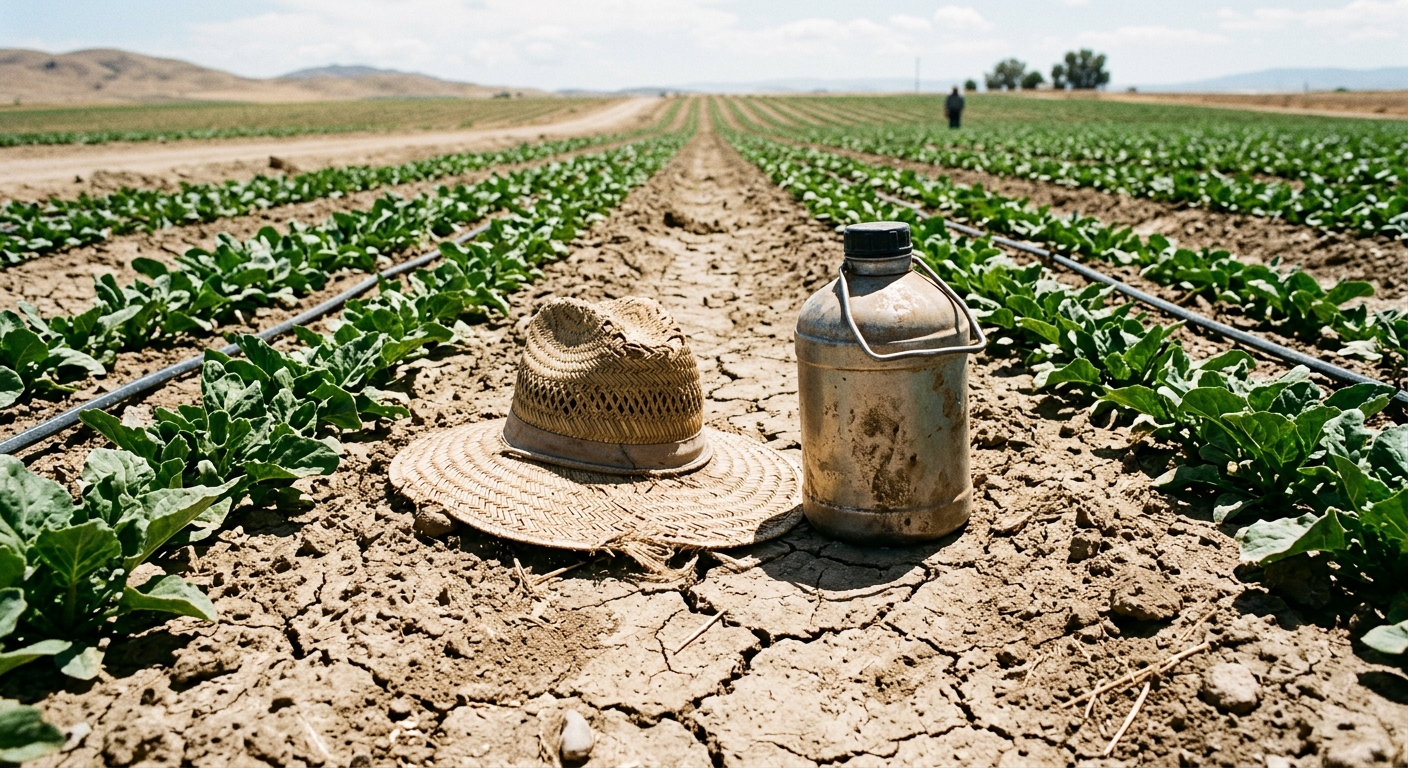
AI-generated illustration; not a photograph of the reported event.
- calendar_today September 20, 2026
A growing health concern is emerging in the Southwest USA as an increasing number of young, otherwise healthy men present with chronic kidney disease that lacks a clear medical explanation. This trend, observed especially among those working in agriculture, echoes patterns previously seen in Central America and Sri Lanka, and is drawing urgent attention from healthcare professionals and policy makers in the region.
Mystery Illness: Kidney Disease of Unknown Origin
Often referred to as kidney disease of unknown origin or CKDu, this condition does not follow the typical profile of chronic kidney illness. Notably, the affected individuals frequently have no history of common risk factors like hypertension or diabetes. The appearance of this disease in the Southwest USA is particularly worrisome due to its rapid progression and high mortality rates.
Links to Occupational Hazards and Environment
Medical experts believe that mesoamerican nephropathy—another name for CKDu—is closely linked to occupational and environmental exposures. Young agricultural workers, many of whom are Latino men, spend long hours laboring under relentless sun and in extreme heat. This harsh environment exposes workers to repeated episodes of heat stress and chronic dehydration, conditions that may lead to irreversible kidney failure.
Impact on Local Communities and Health Systems
Healthcare facilities in the Southwest USA are now reporting a steady increase in cases similar to those seen in El Salvador and other CKDu-endemic regions. In those countries, hospitalizations for CKDu have soared, particularly among young adults, many of whom require ongoing treatment such as dialysis access or kidney transplants. Such treatment, however, remains out of reach for many in the region—especially for undocumented immigrants who face significant barriers in the healthcare system.
Dialysis Access and Social Disparities
The lack of consistent dialysis access poses a severe challenge. Patients with advanced stages of CKDu often develop end stage kidney disease, leaving them reliant on life-sustaining treatment. For many vulnerable populations, including undocumented workers, limited healthcare coverage results in underreported and untreated cases, compounding the disease’s true burden in regional statistics.
Calls for Research and Prevention
Despite mounting evidence, the precise causes of CKDu remain elusive. Most affected communities in the Southwest USA are left with more questions than answers as scientists call for an acceleration of research into environmental, occupational, and genetic risk factors. Addressing chronic dehydration and improving workplace standards for agricultural workers could help provide much-needed prevention. Advocacy groups are also urging for expanded healthcare coverage and better worker protections, ensuring that all individuals have access to necessary diagnostic and treatment services.
Looking Forward: Addressing an Evolving Crisis
The spike in chronic kidney disease cases among Latino men and other agricultural workers in the Southwest USA is prompting medical institutions, public health officials, and local policymakers to collaborate on possible solutions. Ensuring equity in healthcare access, ramping up research, and offering community education will be essential for tackling the complex web of occupational, environmental, and social factors driving CKDu and end stage kidney disease in the region. As the true scope of the problem unfolds, Southwest USA communities stand at the forefront of a growing public health challenge, demanding focused intervention and regional awareness.