- calendar_today August 29, 2025
The economic landscape of the Southwest United States is finally brightening in 2025. With several years of fighting high inflation and tight money policies behind them, declining inflation rates are offering a welcome respite to families, companies, and governments. From New Mexico and Arizona to Texas and Nevada, states across the region are starting to reap the beneficial effects of price stability and a more certain financial climate.
This trend is also lowering the pressure on the Federal Reserve and central banks to maintain high interest rates. As inflation continues to fall steadily across the country, the Southwest is experiencing new possibilities for economic growth, investment, and community development.
A Region Hit Hard by Inflation
The Southwest has seen some of the steepest inflationary impacts in the country over the last couple of years. Frenetic population growth in cities such as Phoenix, Austin, and Las Vegas created red-hot demand for housing. Meanwhile, the price of fuel, food, and utilities skyrocketed—adding additional burdens on lower- and middle-income households.
Most homes in the area were already living on tight budgets prior to inflation hitting. When prices started soaring in 2022 and 2023, it meant making difficult choices about everything from food to fuel. High interest rates for mortgages and increasing rental costs made it even more difficult for working-class inhabitants.
A Welcome Shift in 2025
Now in 2025, inflation is abating considerably. In the nation overall, inflation has dropped to about 3.1%—a huge leap from the recent peaks of the past couple of years. For the Southwest region, this change is more than a statistic; it’s an indicator of economic room to breathe.
Food prices have leveled off, gasoline is cheaper, and wages are finally getting farther. The cost of construction materials and building materials has also moderated, boosting area builders and developers who shelved projects because of previous price spikes.
Housing Markets Show New Signs of Life
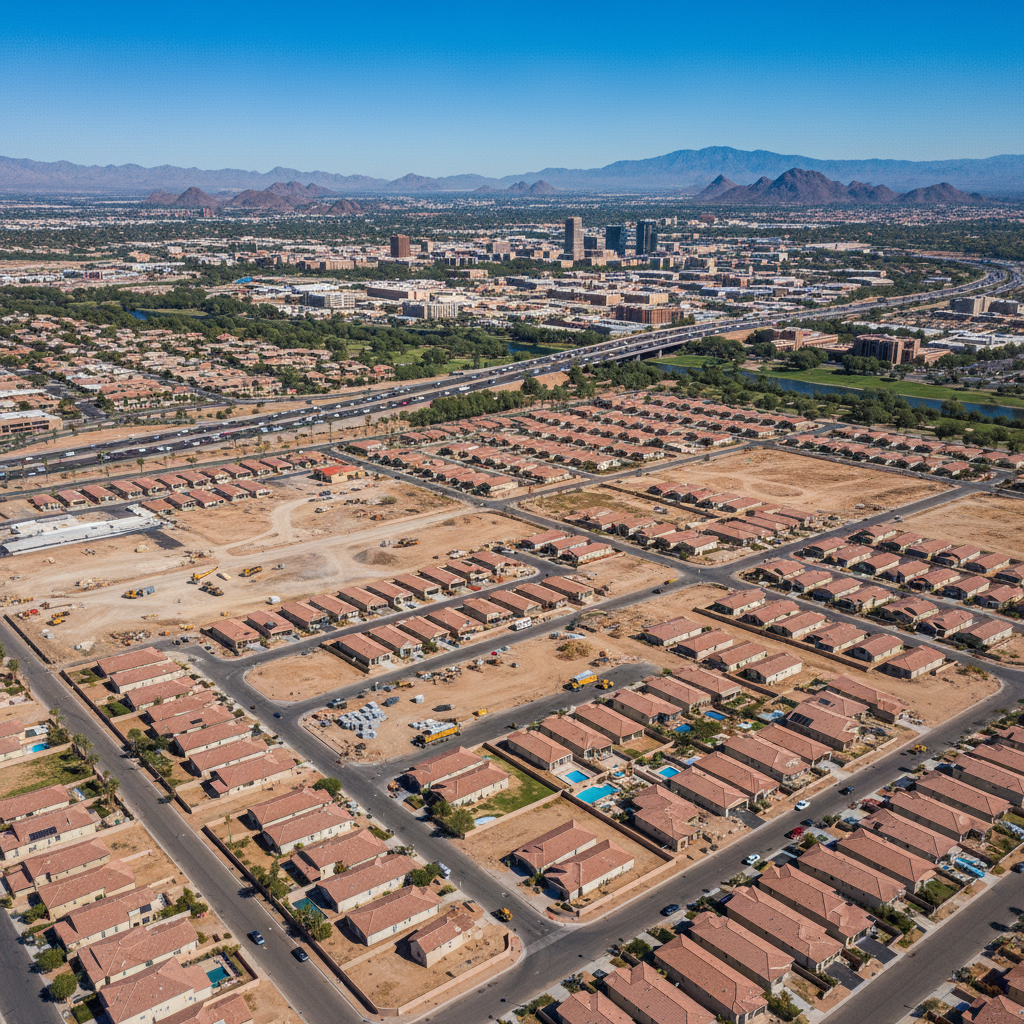
Housing was among the sectors most affected by the inflation surge. In booms such as Austin, Las Vegas, and Phoenix, house prices surged to record levels. When mortgage interest rates also increased in reaction to inflation, many prospective buyers were locked out of the market.
But with inflation now slowing and interest rates stabilizing, the housing market in the Southwest is beginning to get moving again. Builders are resuming projects, and homebuyers are coming back with confidence. Although affordability is a problem in most areas, particularly for first-time buyers, the overall trend is positive for families and the real estate industry as a whole.
Job Growth and Business Confidence on the Rise
One of the greatest advantages of falling inflation is better business confidence. At the peak of inflation, companies postponed hiring, reduced spending, or increased prices merely to stay in the game. But now, with greater price stability, business leaders are steadying themselves.
In the Southwest, sectors such as tourism, renewable energy, healthcare, and technology are booming once more. Texas and Arizona are experiencing job creation surge, with companies opening up new facilities and increasing the number of employees.
The increased optimism also translates into improved wage gains. Employees in urban and rural areas are enjoying modest income gains that are no longer being eradicated by increased costs. This brings about a healthier expenditure and economic cycle throughout the region.
Small Towns and Rural Communities Are Not Left Behind
It is not only the big cities reaping the benefits. Rural towns and communities throughout New Mexico, West Texas, and northern Arizona are also experiencing improvements. Lower inflation makes transportation and fuel prices lower, benefiting farmers, truckers, and small businesses by allowing them to keep prices in check and operations humming.
These communities, which tend to have less resources to cushion economic slumps, are now experiencing more stability and investment in their communities.
Tourism Bounces Back
Tourism is a major economic stimulus in the Southwest—whether it’s tourists to the Grand Canyon, New Mexico’s deserts, or lively cities like Las Vegas and Santa Fe. In periods of high inflation, individuals reduce spending on travel and recreation, damaging local economies that rely on tourism.
In 2025, with more stable prices and increased consumer confidence, travel is recovering. Hotels, restaurants, and attractions are noticing more visitors, supporting jobs and local tax revenue. The recovery of festivals, outdoor activities, and cultural events is infusing new life into the region’s service sector.
Less Pressure on the Federal Reserve
Part of the reason that inflation is finally decreasing is because of the forceful interest rate increases of the Federal Reserve during recent years. However, those same high rates made it more difficult to borrow money for house purchases, cars, or business ventures.
As inflation cools, the squeeze on the Fed to maintain high rates is subsiding. This is a welcome relief for the Southwest, where rapidly growing communities require access to low-cost credit for infrastructure, housing, and education. With trends the way they are, we might even expect rate reductions later this year—adding to growth throughout the region.
Looking Ahead: A Time for Smart Growth
The fall in inflation provides the Southwest with an opportunity to get back on track and refocus. Regional leaders are eager to leverage this relief from the economic crunch to construct stable foundations for the long term. That includes investing in low-cost housing, advanced infrastructure, clean energy, and education.
While new residents and businesses continue to move into the region, careful planning will be essential to sustaining momentum without succumbing to overdevelopment or escalating inequality.
Conclusion
The Southwest USA is going into a brighter era in 2025. Fading inflation is relaxing budgets, stimulating business, and creating new opportunities for families and employees. With reduced expenses and increased optimism, the area is poised to prosper once again—this time wiser and with a more equitable economic strategy.
When central banks take a step back from crisis measures and stability is regained, the Southwest can look forward to sustained and inclusive growth in the coming years.