- calendar_today August 27, 2025
Southwest USA Employees Prepare for 50% AI Job Disruption by 2030
Artificial Intelligence (AI) is transforming the world at breakneck speed. From smartphones to smart homes, AI is accelerating and automating life. But it’s also beginning to transform work. In the Southwestern USA, which encompasses states such as Arizona, New Mexico, Texas, Nevada, and large parts of California, AI will upend almost 50% of all the jobs by 2030.
That might sound dire, but with this transformation comes new possibilities. Let’s examine closely how AI is transforming work in the Southwest, which sectors are being impacted the most, and how workers in the Southwest can adapt to what’s coming.
Why the Southwest Region Is Vulnerable
The Southwest region is a heterogeneous economy whose leading drivers of industries are the following:
- Agriculture and agriculture
- Tourism and hospitality
- Manufacturing and logistics
- Energy production
- Healthcare and education
Most of those occupations are made up of repetitive and mundane work that machines and AI can do more and more of. For instance, robots can assist in warehouses, farms, and hotels—saving time and money, but not the same kind of labor.
Population growth in the area and growing urban cities such as Phoenix, Las Vegas, and Albuquerque also translate to more demands on being able to keep up with technology to be competitive.
Most Vulnerable Industries to AI Disruption
1. Farming and Agriculture
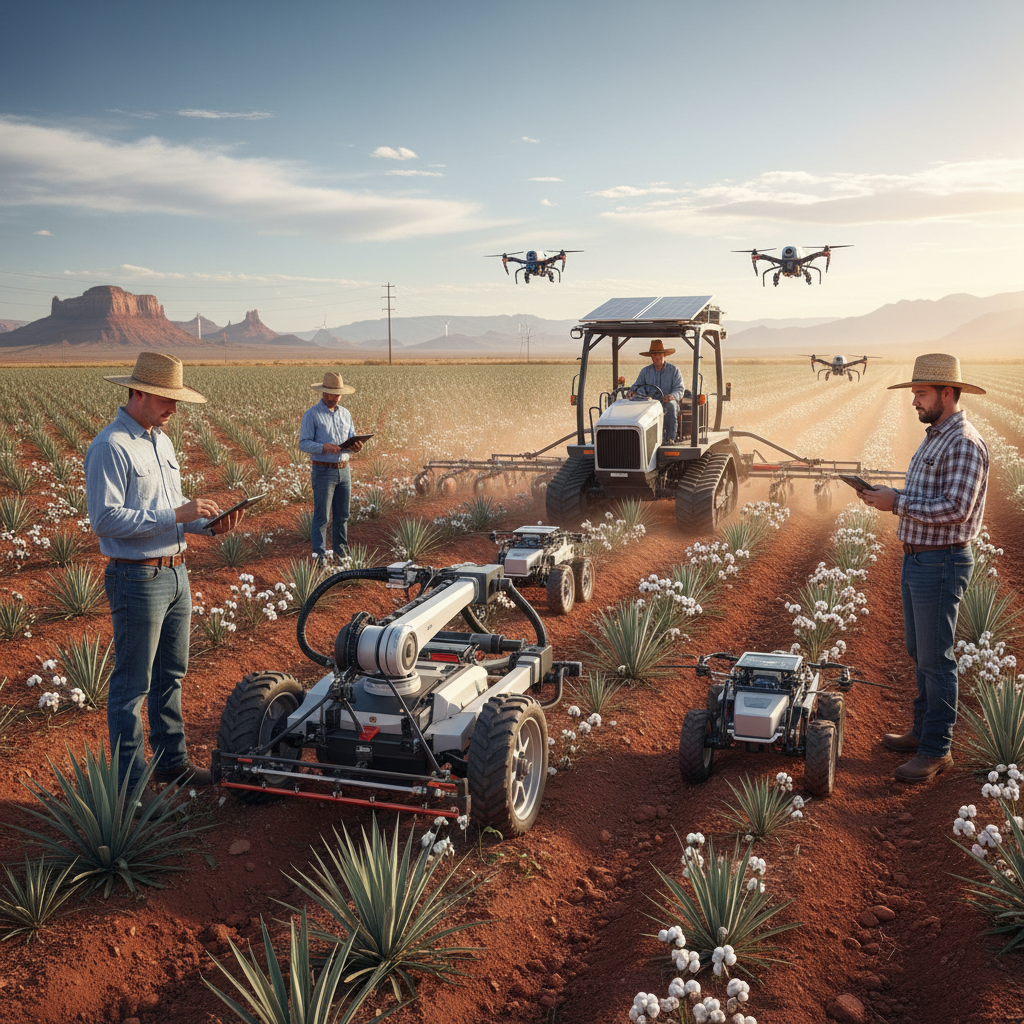
Agriculture is a fundamental contributor to states such as Arizona and New Mexico. AI is already applied to:
- Crop monitoring
- Autonomous watering
- Livestock tracking
This can result in reduced work in the industries but more work for farm tech employees and drone engineers.
2. Hospitality and Tourism
Tourism-based cities such as Phoenix and Las Vegas are dependent on tourists. AI is transforming the industry with:
- Self-service kiosks
- Room service robots
- Booking bots
This can decrease work such as front-desk personnel and call center agents, but create work for guest experience managers and AI support staff.
3. Logistics and Warehousing
Central shipping hubs in Texas and Arizona already employ AI to:
- Route planning
- Inventory control
- Automated packing and sorting
As old jobs decrease, technology-driven jobs such as warehouse robotics operators and supply chain analysts will increase.
4. Retail and Customer Service
From supermarkets to shopping malls, AI is substituting cashiers with automatic checkouts and virtual assistants. Look out for declining traditional employment, but rising e-commerce managers and digital sales professionals.
5. Healthcare
With AI assisting:
- Analyzing scans
- Predicting disease
- Managing appointments
There could be fewer admin jobs but more demand for nurses, medical technicians, and AI-equipped healthcare professionals.
New Emerging Roles and Skills in Demand
AI will kill certain jobs, but it will also generate an abundance of new ones. Southwest employees who reskill and adjust will have a rosy future in fields such as:
- AI system repair and maintenance
- Data defense and cybersecurity
- Green energy and clean technologies
- Healthcare and telemedicine
- Digital business and digital marketing
- Building with smart equipment and machines
A lot of the new work does not need a 4-year degree. Brief training, certifications, and experience may be sufficient to begin.
How Southwest Workers Can Prepare
1. Upgrade Skills
Begin learning simple computer tools such as spreadsheets, cloud applications, and AI software. Free or low-cost courses are available via Coursera, Khan Academy, and neighborhood community colleges.
2. Know What AI Can’t Do
AI can be genius, but it can’t replace people’s care, emotional intelligence, leadership, or creativity. Human-touch jobs such as educators, nurses, and counselors will never fall out of fashion.
3. Reskill for Emerging Growth Fields
Emphasize emerging growth fields such as tech, solar energy, and healthcare services. The sun-kissed Southwest area is ideal for careers in the advanced solar industry, and its aging demographic ensures more healthcare assistance will be required.
4. Look Local Training Programs
Most Southwestern states have free or reduced-cost job training. Consider options from:
- State workforce agencies
- Local community colleges and technical schools
- Trade unions and apprenticeship organizations
These can transition you at low expense.
Government and Business Role
AI disruption is a top concern—but it’s also an opportunity to level up the economy. State and local governments in the Southwest need to:
- Increase broadband and digital availability
- Invest in rural workforce training
- Assist small businesses with tech adoption
- Invest in education for future careers
Businesses must also step forward to retrain their employees, not replace them. Linking talent to the region keeps businesses successful and communities intact.
A Smarter Future for the Southwest
The advent of AI will certainly shift the job market in the Southwest. By 2030, several old-fashioned jobs will become obsolete—but new, innovative jobs will emerge in their place. The trick is to remain well-informed, continue to learn, and be adaptable.
Rather than dreading the threat of job loss, Southwest workers can seize the moment to develop their careers and be part of a brighter, more efficient future. The AI revolution is non-negotiable—but with the right mindset and support, the Southwest can take the lead.