- calendar_today August 28, 2025
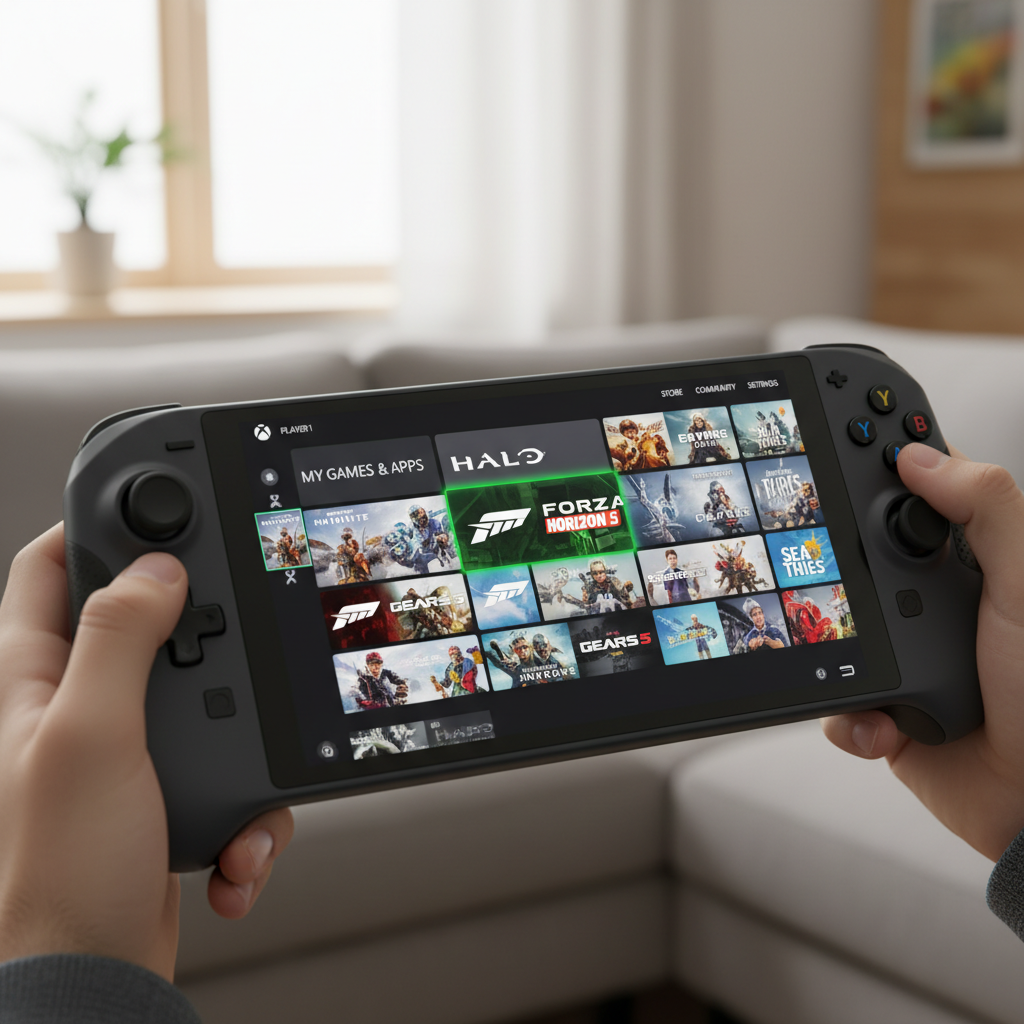
Through the launch of a new Xbox-branded interface designed for portable Windows devices Microsoft is increasing its presence in the handheld gaming sector. Microsoft’s new handheld gaming device the ROG Xbox Ally from Asus will be the first to showcase this new user interface. This new user interface moves away from standard desktop-and-taskbar organization toward a full-screen tile-based display that works best with controllers and touchscreens.
The handheld gaming market has primarily developed around Valve’s Steam Deck which operates on SteamOS, a Linux-based system. Through Proton compatibility layer which continuously improves SteamOS enables users to run Windows games. Proton has matured to support numerous games enabling users to run popular Windows titles without needing to install Windows.
The primary appeal of Steam Deck lies in its gaming-focused interface together with a resource-efficient system. SteamOS cannot fully replace Windows because it continues to struggle with compatibility issues. That’s where Microsoft sees an opportunity. The firm aims to merge comprehensive software support with a console-style interface by implementing an Xbox-designed UI on top of Windows to make handheld devices both accessible and intuitive.
The ROG Xbox Ally will receive Microsoft’s new user interface first before it expands to other Ally devices. The UI or a comparable version should reach additional Windows handhelds by next year. The relationship between this development and Microsoft’s internal “Windows Handheld Mode” project from 2022 remains uncertain because it came to light during a hackathon. A project revealed major Windows handheld device problems such as inadequate touch optimization and limited controller support while introducing a new interface solution to address these concerns.
The development story features major performance improvements. The new Xbox interface reduces RAM usage by several gigabytes and lowers power consumption to free system resources for gaming. Battery-powered devices benefit critically from this performance upgrade as they require full system efficiency. The new Xbox interface eliminates the need for separate software solutions like Asus’ Armoury Crate that earlier connected desktop Windows with handheld functions.
Although Microsoft has implemented substantial changes, the company continues to maintain support for the traditional desktop interface. Users retain access to the complete Windows interface when needed even though Microsoft has set it to a non-default option. The hybrid approach provides users with a smooth gaming experience alongside complete access to standard PC features when required.
The development of SteamOS and Proton continues to progress under Valve’s direction. The development of these software tools has enabled more people to play Windows games outside of a Windows operating system environment. SteamOS now supports additional handheld devices beyond the Steam Deck including several models from Asus. The continuous enhancement of Proton and Wine reduces Windows gaming dependency while keeping it functional. Windows dominance has gradually decreased which correlates with Linux market share rising beyond 4% last year.
Microsoft’s response to the handheld gaming trend has been slow since its recent efforts concentrated on advancing AI and security technologies instead of gaming innovation. Steam Deck’s success compelled Microsoft to respond with new strategies. Microsoft responds to the handheld gaming trend with a new Xbox UI which supports Windows on compact gaming devices to compete with SteamOS. Microsoft has now moved beyond being a spectator as the portable gaming market advances but their ability to compete with Valve’s established position remains uncertain.